Custom Paper Tubes

The retail surface

Custom paper tubes for products that sit on a shelf

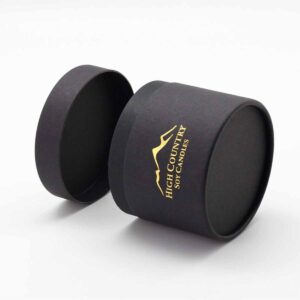
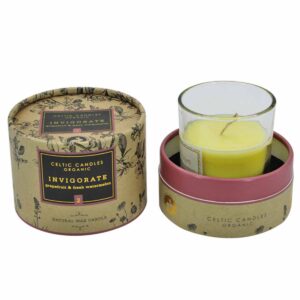
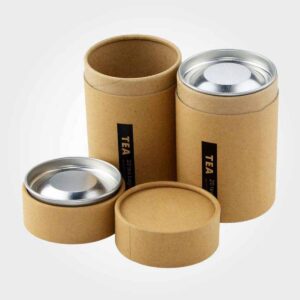
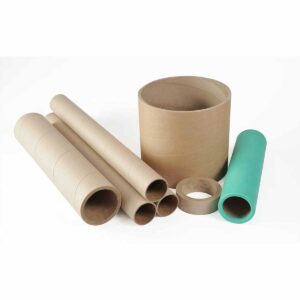
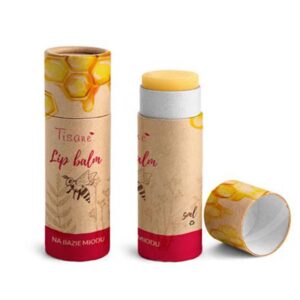
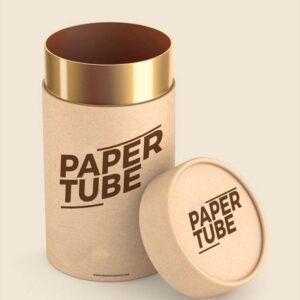
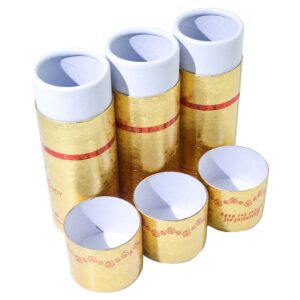
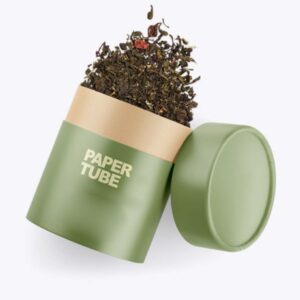
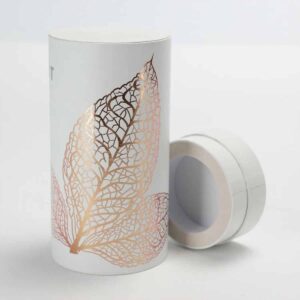
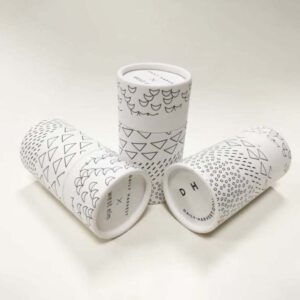
A paper tube is the same wound construction as a cardboard tube on a lighter wall, finished so the outside is a printing surface rather than a protective one. That is the whole distinction. Walls run 0.5 mm to 1.5 mm, diameters from under 1″ for a lip balm up to 6″ for gift and apparel packaging, over uncoated kraft or a white-lined board.

This is the range to start from when the tube is part of how the product is sold — full-wrap artwork, a soft-touch or matte finish, a paperboard cap that keeps the pack recyclable. When the tube must survive a courier rather than a shelf, the heavier cardboard tubes range is the place to start.

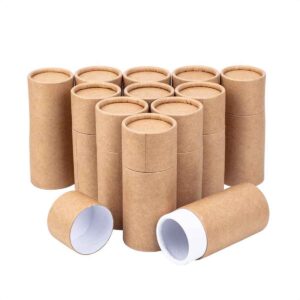
Kraft is the most-requested finish here — the kraft paper tubes page covers the uncoated natural build and where it works best.

Decision aid

Which paper tube fits your product

Retail tubes are specified from the product outward: the diameter is whatever the contents need plus clearance, and the wall is whatever keeps the tube feeling solid in the hand.

Product type, tube type and the diameter it normally lands in
What you are packingTube typeInternal diameterSize class
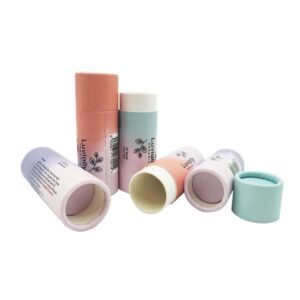
Lip balm, lipstick, solid perfumeThin-wall push-up or plug-cap tube¾″ – 1¼″Small
Deodorant sticksPush-up paper tube with a screw base1¼″ – 1¾″Small to medium
Loose-leaf tea, coffee, spicesLined tube, metal or plug closure2″ – 3″Medium
Pillar and jar candlesRigid tube, telescoping lid2½″ – 4″Medium
Bath products, powders, bath saltsLined tube with a rolled edge and shive2″ – 3½″Medium
Apparel, scarves, textiles at retailPrinted tube box, plug caps3″ – 5″Large
Wrapping paper and gift rollsLong thin-wall tube1½″ – 2½″Medium
Allow 1 – 2 mm of diametric clearance over the product. A tube cut exactly to size is difficult to fill on a line and difficult to open by hand.

Smaller formats have their own tolerances — the small paper tubes page covers everything under 1½″.

Showing 1–16 of 17 results

Specifications

Paper tube specifications

Standard industry specifications available through our manufacturing partners. Paper tubes are specified in four numbers: internal diameter, height, wall thickness and closure.

Sizes — what small, medium and large mean on a paper tube

Most retail paper tube work sits in the small and medium classes. Large is where the category starts overlapping with cardboard.

Size classes used across this site, by internal diameter
Size classInternal diameterTypical length rangeWhat it suits
SmallUnder 1½″ (38 mm)2″ – 8″Lip balm, lipstick, deodorant, samples, seeds, single confectionery
Medium1½″ – 3″ (38 – 76 mm)3″ – 14″Candles, cosmetics, tea, coffee, spices, rolled prints
Large3″ – 6″ (76 – 152 mm)6″ – 36″Posters, apparel, bottles, gift sets, large pillar candles
Extra large6″ – 12″ (152 – 305 mm)12″ – 48″Rolled artwork, textiles, banners, display and industrial cores
Small paper tubes are anything under 1½″ internal diameter — lip balm, lipstick, deodorant, sample and seed formats. Small-diameter tubes hold tighter tolerances than large ones, so specify the internal diameter and let the wall follow.

Wall thickness and board weight

On a retail tube the wall is a feel decision as much as a strength one. A tube that flexes under thumb pressure reads as cheap even when the print is excellent.

Wall thickness classes, and what buyers usually mean by "thick"
Wall classWall thicknessBoard buildWhat it suits
Thin / lightweight0.5 – 1.0 mm1 – 2 plies with a printed wrapRetail cosmetics, lip balm, lightweight dry goods
Standard1.0 – 1.5 mm2 – 3 pliesMost retail and mailing work; the default unless you say otherwise
Thick / heavy duty1.5 – 3.0 mm3 – 5 pliesShipping, large diameters, anything that will be handled by a courier
Industrial core3.0 mm and above5 plies upward, convolute woundCores under load, long unsupported spans, repeated handling
Retail paper tubes are normally 0.5 – 1.5 mm. Board is typically 250 – 400 gsm per ply with a 120 – 170 gsm printed or kraft liner on the outside. Under about 0.8 mm, a tube over 2″ in diameter will feel soft.

Materials: kraft, white and printed

Board options and what each one is for
MaterialWhat it looks likeBest for
Uncoated natural kraftBrown, matte, visible fiberEco and natural positioning; foil and one-color print sit well on it
White-lined boardClean white printing surfaceFull-color artwork, photography, pale brand palettes
Recycled chipboard coreGrey inner wall under any linerThe economical core; invisible once wrapped
Black-dyed boardThrough-colored dark wallPremium and cosmetic work where the cut edge is visible
Printed art-paper wrapOffset-printed paper laminated to the tubeAnything where the print quality is the point
Kraft and unlaminated printed board are the two builds that keep a tube curbside-recyclable as paper. Adding a plastic film lamination, a foil liner or a plastic cap changes that, and is worth deciding early rather than at artwork stage.

Closures and caps

Closure types available on paper tubes
ClosureHow it worksBest for
Paperboard plug capPrinted board plug, friction fitRetail tubes that need an all-paper story
Telescoping lid and baseTwo tubes, one sliding over the otherGift and candle presentation; no visible cap
Push-up baseScrew or ratchet mechanism raising the productLip balm, deodorant, solid balms
Rolled edge with a shiveCurled edge with an inner discPowders, salts, loose dry goods
Metal (tin-plate) endsCrimped metal base and lidTea, coffee and confectionery; best seal of the paper options
Tuck-in endBoard flaps folded into the tubeLightweight single-use retail formats

Print and finish

The finish is what separates a paper tube from a cardboard one in the buyer’s hand.

Print methods and finishes
Method or finishWhat it gives youNotes
Offset-printed wrapPhotographic full color, tight registrationStandard for retail
Digital printShort runs, versions, no plate costBest route below 1,000 pieces
Flexographic direct printOne to three spot colors on the boardEconomical at volume; suits kraft
Hot foil stampingGold, silver or colored metallic foilExcellent on uncoated kraft and dark board
Emboss / debossRaised or recessed textureReads best on uncoated and soft-touch surfaces
Soft-touch laminationVelvet-feel sealed surfaceThe most common premium cosmetic finish
Matte or gloss laminationSealed, scuff-resistant filmMatte hides handling marks; gloss lifts color
Spot UVSelective gloss over matteLogo and pattern contrast
Supply artwork with bleed on all four edges and keep critical type clear of the wrap seam, which overlaps along one vertical line.

Small runs and testing a design

Our standard minimum is 500 pieces, and smaller runs from around 100 pieces are possible at a higher per-piece cost, because setup and printing are fixed regardless of quantity. For a brand testing a design before committing, digital printing on a short run is normally the cheapest honest way to see the finished tube.

Per-piece cost drops significantly as quantity increases, so it is worth asking for pricing at two or three quantities rather than one.

Larger retail formats have different wall requirements — the large paper tubes page covers 3″ and above.

FAQs

Paper tube questions buyers actually ask

What is the difference between a paper tube and a cardboard tube?

The construction is the same — plies of board wound and glued. The difference is wall thickness and finish. Paper tubes run 0.5 to 1.5 mm with a printed or kraft outer surface and are built to be seen; cardboard tubes run 1.5 to 3 mm and above and are built to take a load.

If the tube is going on a shelf, start with paper. If it is going in a mailbag, start with cardboard.

Are paper tubes recyclable?

An uncoated kraft or unlaminated printed tube with a paperboard cap goes into curbside paper recycling as it is. Adding a plastic film lamination, a foil barrier liner or a plastic cap changes that, because the layers have to be separated.

If a fully recyclable pack matters to you, say so at the specification stage rather than at artwork stage — it changes the closure and the finish, not just the material.

What counts as a small paper tube?

Anything under 1½″ internal diameter. That covers lip balm, lipstick, solid perfume, deodorant, seed and sample formats. Below about ¾″ the wall has to stay thin to keep enough internal space, which limits how heavy a board can be used.

Can you print full-color artwork around the whole tube?

Yes. A full-wrap offset print is the standard for retail paper tubes and covers the entire circumference. Supply the artwork with bleed on all four edges, and keep logos and critical type away from the vertical seam where the wrap overlaps itself.

What is the minimum order quantity?

Our standard minimum is 500 pieces. We can produce smaller runs — from around 100 pieces — at a higher per-piece cost, since setup and printing are fixed regardless of quantity. Per-piece cost drops significantly as quantity increases.

Share your size, material, printing and quantity and we will send a quote.

Are paper tubes biodegradable or compostable?

An uncoated kraft or unlaminated printed tube with a paperboard cap is paper, and behaves like paper — it recycles curbside and breaks down in the same way cardboard does. That covers most of this range.

Compostable is a stricter claim than recyclable and it attaches to a specific build, not to the category. A PLA-coated liner is the route to it where a barrier is needed, and the certification has to be confirmed for your exact construction rather than assumed. Tell us if a compostable claim matters and it will be specified from the start.

Do you supply eco-friendly lip balm and cosmetic tubes?

Yes — a paper tube with a push-up base is the standard plastic-free alternative to a molded lip balm stick, and it is one of the most-requested formats here. Uncoated kraft or unlaminated printed board keeps the whole pack recyclable as paper.

The thing to decide early is the mechanism. A paperboard push-up base keeps the pack all-paper; a plastic screw base is more robust and cheaper but breaks the recycling story. Both are available, and it is worth choosing deliberately rather than at the end.

Can I get paper tubes with lids?

Yes, and there are several ways to close one. A paperboard plug cap keeps the pack all-paper. A telescoping lid — an outer tube sliding over the inner — gives a gift-box feel with no separate cap. Tin-plate metal ends give the best seal and reseal. A rolled edge with an inner disc suits powders and loose goods.

The closure decides how the pack feels to open more than any other single choice, so it is worth picking it before the artwork rather than after.

What is the difference between kraft and white paper tubes?

Kraft is unbleached brown board with a visible fiber texture. It reads natural and sustainable, takes foil and one- or two-color print beautifully, and needs no lamination — which is what keeps it curbside recyclable.

White-lined board gives a clean printing surface for full-color photographic artwork and pale brand palettes. It costs slightly more and usually wants a laminate to protect the print. Neither is stronger than the other; the wall thickness decides that.

Can you match a specific brand color?

Yes. Supply your colors as Pantone references and offset printing will match them closely; that is the route to take when an exact brand color matters. Digital printing is convenient for short runs but matches spot colors less precisely.

One thing worth knowing: the same ink looks different on uncoated kraft than on white-lined board, because the brown substrate shifts everything warmer. If the color is critical, specify the board at the same time as the color.

Can I get a sample before committing to a full run?

Yes. Samples can be provided to confirm sizing, material selection and design details before full production begins, so you can check the structure and the print in your hand rather than on screen.

Free design support comes with it — artwork preparation, layout help, bleed and print-ready file setup, and 3D mockups before manufacturing starts. For a first order it is worth using both, because the two things that go wrong most often are a diameter chosen without the product to hand and artwork laid out before the flat dimensions were confirmed.

How long does an order take?

Processing takes 3 to 5 business days, which covers printing, packaging and quality checks, and orders are processed Monday to Saturday. Transit is a further 3 to 5 business days, for a total estimated delivery time of 6 to 10 business days.

Timelines vary a little with the destination city and courier workload, and a tracking link is emailed once the order ships. Embossing adds to production time, so allow extra if your build includes it.

Do you offer free shipping?

Yes — free standard shipping to the United States, the United Kingdom, Canada and Australia. Those are the destinations the policy covers, so it is worth checking it applies to yours before you plan around it.

The full terms, including processing and transit times, order tracking and what happens if a shipment is delayed or lost, are set out on the shipping policy page.

Packing food or tea? The specialty tubes category covers barrier liners and food-contact construction.

Get a quote

Send your product and we will specify the tube

Retail tubes are specified from the product outward: the diameter is whatever the contents need plus clearance, and the wall is whatever keeps the tube feeling solid rather than soft.

  • What is going inside, and its widest dimension
  • Internal diameter and height, if you know them
  • Kraft or white board, and the finish you want
  • Quantity — ask for two or three, the difference is large

Not sure what to put in the message? Build your specification step by step and it arrives here filled in.