



Creams and body lotion
A squeeze wall soft enough to recover its shape, with a flip top or disc cap for one handed use. The most ordered size range here.
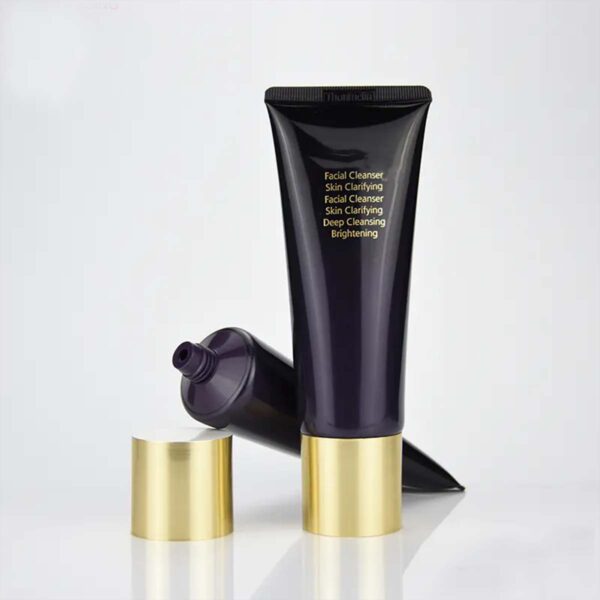
A plastic tube is a different object from everything else on this site. It is extruded or laminated rather than wound, it collapses as it empties instead of holding its shape, and it dispenses through a nozzle rather than opening at the end. That is why it exists here: a lotion, gel or serum with any water content will soften a paper wall from the inside, and no liner fixes that in a wound tube.
So the decision is about the formulation, not the look. Anything wet, oily or dispensed by squeezing belongs in plastic. Anything solid, dry or powdered is better served by the paper tubes range, which prints better, costs less and recycles more simply.
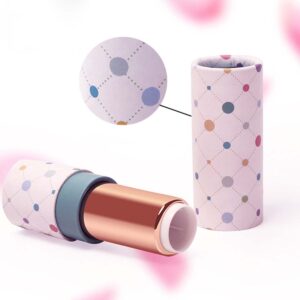
If you are weighing paper against plastic for a solid balm, the paper lip balm tubes page is the direct comparison.
Diameter is set by fill volume and how the product is dispensed. Wall material is set by what the formulation does to plastic over time.
| What you are packing | Tube build | Tube diameter | Size class |
|---|---|---|---|
| Lip gloss, liquid lipstick | Slim tube with a wand applicator | ½″ – ¾″ | Small |
| Lip balm, solid stick balms | Push-up stick tube with a screw base | ¾″ – 1″ | Small |
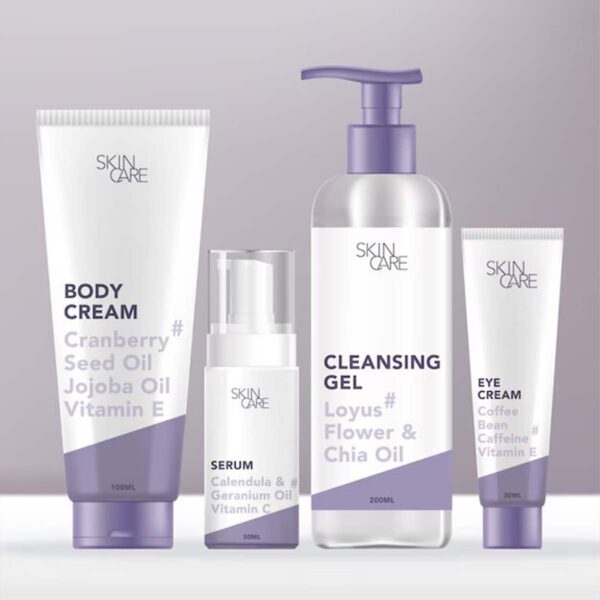
| Serums, eye creams, small skincare | Laminate squeeze tube, narrow orifice | ¾″ – 1¼″ | Small |
| Face and hand creams | Squeeze tube, screw or flip-top cap | 1¼″ – 1¾″ | Small to medium |
| Body lotion and larger skincare | Squeeze tube, flip-top or disc cap | 1¾″ – 2½″ | Medium |
| Gels, masks, styling products | Squeeze tube, wide orifice or nozzle cap | 1½″ – 2½″ | Medium |
The lotion tubes page covers the most-ordered sizes in this range.
Showing all 6 results
Three formats, chosen by what the formulation does rather than by how the tube looks.
A squeeze wall soft enough to recover its shape, with a flip top or disc cap for one handed use. The most ordered size range here.
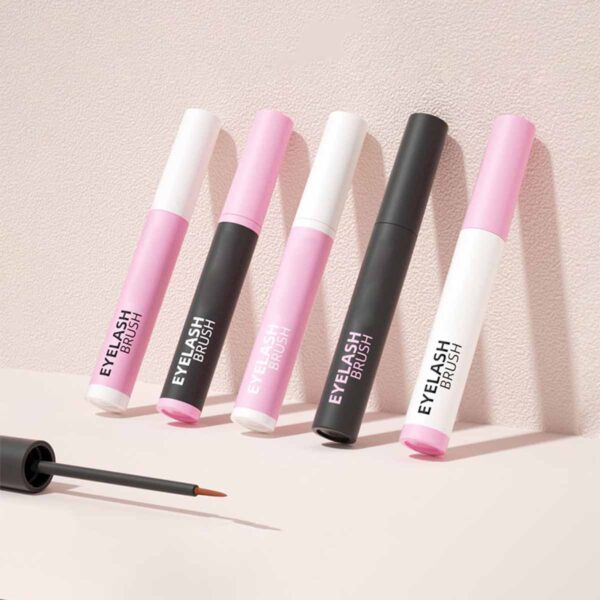
Slim tubes with a doe foot wand in the cap. Clear or frosted where the shade of the product is the selling point.
Narrower orifices and smaller fills, with a barrier laminate only where the formulation is genuinely oxygen sensitive.
Standard industry specifications available through our manufacturing partners. Plastic tubes are specified in four things: diameter, fill volume, wall material and closure.
| Material | Character | Best for |
|---|---|---|
| LDPE | Soft, very squeezable, good recovery | Creams and lotions where feel matters |
| HDPE | Stiffer wall, better chemical resistance | Products with actives or solvents |
| PP | Rigid, heat resistant, glossy | Slim cosmetic tubes and hot-fill products |
| ABL — aluminum barrier laminate | Foil layer in the wall, no recovery after squeezing | Oxygen-sensitive formulations; the highest barrier |
| PBL — plastic barrier laminate | EVOH barrier layer, keeps some recovery | Barrier without the dead-fold look of foil |
| PCR blends | Post-consumer recycled content in the wall | Recycled-content targets; confirm percentage per build |
| Closure | How it works | Best for |
|---|---|---|
| Screw cap | Threaded cap over a standard orifice | General purpose, lowest cost |
| Flip-top cap | Hinged lid over the orifice | One-handed use; the default for lotion |
| Disc-top cap | Press-open disc, self-closing | Thicker creams and gels |
| Nozzle or precision tip | Narrow extended orifice | Serums and targeted application |
| Wand applicator | Doe-foot wand in the cap | Lip gloss and liquid lip products |
| Push-up base | Screw mechanism raising a solid stick | Balms and solid sticks |
Offset and silkscreen printing are the two standard routes for plastic tubes, with hot foil available for metallic detail. Silkscreen gives strong solid color and works well on small type; offset handles gradients and photographic work better.
A shrink sleeve is the other option, and it is worth considering when the artwork wraps the whole tube or when several variants share one tube — the sleeve changes, the tube does not, which reduces the setup cost across a range.
Our standard minimum is 500 pieces, and smaller runs from around 100 pieces are possible at a higher per-piece cost, because setup and printing are fixed regardless of quantity. Per-piece cost drops significantly as quantity increases.
Plastic tubes carry a tooling consideration that paper tubes do not: the diameter and cap combination has to come from an existing set unless the volume justifies new tooling. Tell us the fill volume and the diameter you want and we will confirm what is available before quoting.
Empty stock formats are the fastest route for a first run — the empty lotion tubes page covers unprinted builds.
Formulation decides it. Anything with water content, oil content, or that is dispensed by squeezing — lotions, gels, serums, creams — needs plastic, because a wet formulation will soften a wound paper wall from the inside regardless of the liner.
Solids, dry goods, powders and pressed balms are better in paper: it prints better, costs less and recycles more simply.
An aluminum barrier laminate has a foil layer inside the tube wall, which gives the highest oxygen and moisture barrier available in a squeeze tube. It does not spring back after squeezing, which some brands like and some do not.
It is worth the cost only when the formulation is genuinely oxygen-sensitive. For most creams and gels, LDPE or a PE blend is the correct answer.
Yes. PCR blends put post-consumer recycled material into the tube wall, and the achievable percentage depends on the wall material and the finish you want. Confirm the percentage per build, because it varies by supplier and by tube diameter.
Our standard minimum is 500 pieces, with smaller runs from around 100 pieces available at a higher per-piece cost, since setup and printing are fixed regardless of quantity.
Plastic carries one extra constraint: the diameter and cap combination has to come from an existing tooling set unless the volume justifies new tooling, so confirm the size is available before planning a run.
Yes. Slim tubes with a doe-foot wand in the cap are a standard format here, normally ½″ to ¾″ in diameter, and they are supplied empty for you to fill.
The two things to specify are the wand shape, which changes how the product applies, and whether you want the tube clear, frosted or opaque — a clear tube shows the color of the product, which is worth having when the shade is the selling point.
Yes, everything in this range is supplied empty. Unprinted stock tubes are the fastest route to a first fill and the lowest cost at any quantity, and they can be labeled rather than printed while a formulation is still being tested.
Tell us the fill volume and how the product is dispensed. A thick ointment wants a wider orifice and a stiffer wall; a light lotion wants a softer wall that recovers its shape after squeezing.
Yes. The standard minimum is 500 pieces and per-piece cost drops significantly with quantity, with smaller runs from around 100 pieces available at a higher per-piece cost.
One constraint that paper tubes do not have: the diameter and cap combination has to come from an existing tooling set unless the volume justifies new tooling. Confirm the size is available before planning a run.
Diameters run from about ½″ for a lip gloss up to 2½″ for body lotion, and the fill volume follows from the diameter and the length together. As a rough guide, a ¾″ tube suits a serum or eye cream, 1¼″ to 1¾″ suits a face or hand cream, and 1¾″ to 2½″ suits body lotion.
Plastic tubes are the one exception on this site: they are ordered by outside diameter and fill volume, not internal diameter.
Yes. Offset printing handles gradients and photographic work; silkscreen gives strong solid color and holds small type well; hot foil adds metallic detail.
A shrink sleeve is the other route and it is worth considering when several shades or variants share one tube — the sleeve changes and the tube does not, which cuts setup cost across a range.
A single-material PE tube with a matching cap is the most recyclable build available in this format, and it is the one to ask for if that matters. PCR blends put post-consumer recycled content into the wall, with the achievable percentage depending on the material and finish.
An aluminum barrier laminate is the opposite case: it gives the best oxygen barrier and the worst recyclability, because the layers cannot be separated. That trade-off is worth making deliberately, and only when the formulation genuinely needs the barrier.
Yes. Samples can be provided to confirm sizing, material selection and design details before full production begins, so you can check the structure and the print in your hand rather than on screen.
Free design support comes with it — artwork preparation, layout help, bleed and print-ready file setup, and 3D mockups before manufacturing starts. For a first order it is worth using both, because the two things that go wrong most often are a diameter chosen without the product to hand and artwork laid out before the flat dimensions were confirmed.
Processing takes 3 to 5 business days, which covers printing, packaging and quality checks, and orders are processed Monday to Saturday. Transit is a further 3 to 5 business days, for a total estimated delivery time of 6 to 10 business days.
Timelines vary a little with the destination city and courier workload, and a tracking link is emailed once the order ships. Embossing adds to production time, so allow extra if your build includes it.
Yes — free standard shipping to the United States, the United Kingdom, Canada and Australia. Those are the destinations the policy covers, so it is worth checking it applies to yours before you plan around it.
The full terms, including processing and transit times, order tracking and what happens if a shipment is delayed or lost, are set out on the shipping policy page.
Working across both materials? The full product range lists every tube on the site in one place.
Plastic tubes are ordered by outside diameter and fill volume, which is the opposite convention from every paper tube on this site. The diameter and cap combination also has to come from an existing tooling set, so it is worth confirming before you plan a run.
Not sure what to put in the message? Build your specification step by step and it arrives here filled in.