


Know your size? Not sure yet? Build the specification step by step and send it for a quote. Build a Quote

Cardboard Tubes for Business: Effective Solutions for Packaging and Storage

Cardboard tubes are no longer just niche items — today, they serve as practical and marketing-friendly packaging and storage tools for many businesses. This article examines how companies utilize cardboard paper tubes effectively for packaging, branding, and protecting goods.

What Are Cardboard Tubes?

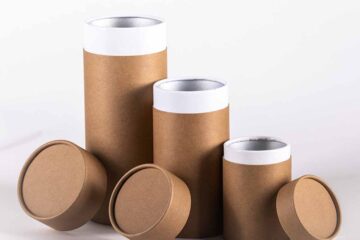
Cardboard tubes are cylindrical containers made from laminated paperboard, kraft paper layers, or spiral-wound cardboard. They are designed to be rigid yet lightweight, protecting products from crushing, bending, and environmental hazards during shipping and storage.

They can be customized in terms of dimensions (diameter, length), wall thickness, and printed designs to match a brand’s identity.

Who Uses Cardboard Tubes?

Many industries adopt tubes because they combine functionality and visual appeal:

  • Cosmetics & skincare — for serums, balms, sticks

  • Tea, coffee & dry goods — loose leaf, pods, powders

  • Posters, maps & artwork — for shipping or display

  • Textiles & fabrics — as cores or presentation packaging

  • Gift & premium products — adding luxury or uniqueness

Advantages of Using Cardboard Tubes

Protection and Structure

  • Tubes resist crushing better than flat boxes under certain pressure

  • Their rigid shape keeps the contents stable and aligned

  • Tubes with caps seal dust, moisture, and light

Branding & Marketing

  • They offer 360° printable surfaces for logos, stories, and visuals

  • Unique packaging stands out in retail or unboxing

  • Custom inserts or lids enhance perceived value

Storage & Logistics Benefits

  • Tubes stack efficiently, reducing wasted space

  • Lightweight design cuts shipping costs

  • They are easy to store flat before use

Eco & Cost Benefits

  • Made from recyclable or recycled materials

  • Minimalist tube design may use less material than full boxes

  • Customers perceive tubes as more premium and eco-friendly

How Tubes Are Manufactured

  1. Core material preparation — kraft paper, liner boards

  2. Winding or lamination — spiral winding or layering with adhesives

  3. Curing & flattening — drying and ensuring roundness

  4. Cutting and finishing — trim lengths, slit tubes, add caps or closures

  5. Printing & decoration — flexographic, offset, embossing, foil stamping

Customization Options

  • Wall thickness: choose strength vs. weight

  • End caps or plugs: plastic, metal, kraft

  • Window cutouts: to show pthe roduct inside

  • Inserts or foam liners: for fragile goods

  • Special finishes: matte, gloss, embossing, foil

Use Cases & Examples

  • A tea brand packs its blends in tubes with foil liners and printed labels

  • An art supplier ships posters in long tubes to prevent creasing

  • A candle brand presents wax melts in decorative tubes with printed exteriors

  • A textile studio uses tubes as fabric sample holders

When & Where Tubes Excel

Scenario Why Use Tubes Recommended Specifications
Mailing posters, blueprints Tubes protect from bending 3-ply spiral tube, length > poster length
Premium gifts (cosmetics, candles) Standout packaging, giftable Wall thickness ≥ 1.2 mm, printed outer wrap
Storage & archive Long-term shape retention Rigid tubes with protective caps

Considerations & Best Practices

  • Match the tube internal diameter slightly above the product outer size

  • Test tube strength under stacking loads

  • Use liners or moisture barriers when needed

  • Ensure caps fit firmly to avoid sliding

  • Order samples before large production

FAQs

Cardboard tubes for business packaging and storage

How are the cardboard tubes in this article manufactured?

The article lists five stages: preparing kraft paper and liner board, spiral winding or layering plies with adhesive, curing and checking roundness, cutting to length and fitting caps, then printing or decorating. The result is a rigid, lightweight cylinder whose strength depends on ply count and wall thickness.

Why do cardboard tubes resist crushing better than flat boxes?

A round wall spreads pressure evenly, with no corners or flat panels to buckle, so a tube with a 1.5 to 3 millimeter wall keeps contents aligned under stacking loads that would dent a carton. The article also credits the cap, which seals out dust, moisture and light.

Which businesses does the article say use cardboard tubes?

Cosmetics and skincare for serums, balms and sticks; tea, coffee and dry goods; poster, map and artwork sellers; textile studios for cores and sample holders; and gift and premium brands. Its examples include a tea brand with foil liners, an art supplier shipping posters and a candle brand presenting wax melts.

How do cardboard tubes help with warehouse storage and logistics?

Tubes stack in nested rows with little wasted space, hold their shape under load and weigh less than rigid boxes of equal strength, which trims storage and carrier costs. Standard sizes also let one packing method cover several product lines.

What customization options does the article list for business tubes?

Wall thickness chosen for strength against weight, end caps or plugs in plastic, metal or kraft, window cutouts to show the product, inserts or foam liners for fragile goods, and finishes such as matte, gloss, embossing or foil over full-wrap offset print in CMYK or Pantone colors.

How should a business size a cardboard tube to its product?

The article's rule is to set the internal diameter slightly above the product's outer size so it slides in without rattling, then add length for the caps. Test the tube under a stacking load, add a liner or moisture barrier if the contents need one, and confirm the caps fit firmly.

Are cardboard tubes a cost-effective packaging choice for businesses?

The article argues yes: a tube often uses less board than a full box, ships lighter and needs no inner cushioning, and the 360 degree printable surface removes the cost of a separate label or sleeve. Exact pricing depends on size, wall and print, and is set in the quote.

Can one cardboard tube serve both shipping and retail display?

Yes, if the wall is in the standard or thick class and the outer wrap is printed. The article's candle and tea examples ship in the same printed tube that sits on the shelf, so there is no separate transit carton. Keep logos away from the vertical seam.

Which liners do business cardboard tubes need for food or moisture-sensitive goods?

A food-contact paper liner for dry goods such as tea and spices, a foil barrier liner where aroma and moisture must be sealed in, and a grease-resistant liner for oily foods. Liners are specified at quote stage because a foil liner changes curbside recyclability.

What best practices does the article give for cardboard tube packaging?

Four: match the internal diameter just above the product's outer size, test strength under stacking loads, use liners or moisture barriers when the contents need them, and make sure caps fit firmly so nothing slides. Samples of custom cardboard tube packaging before a full run confirm all four.