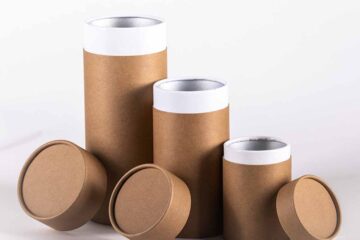


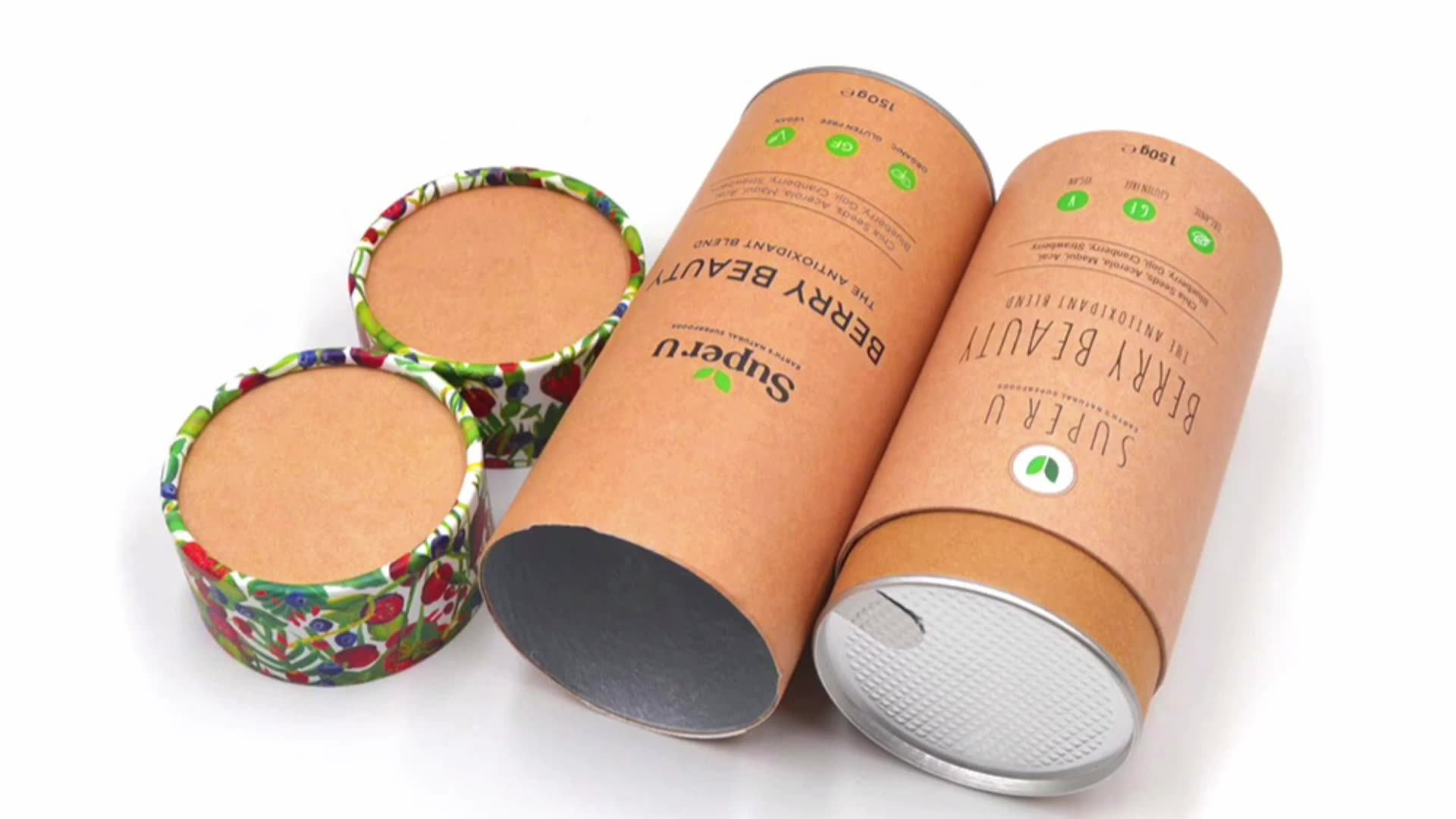
It has now been possible to move packaging of the tube well beyond its postal package origins. The modern cardboard and paper tubes serve numerous industries, shielding a variety of products including gourmet tea as well as architectural blueprints. These tubes also protect specialty foods and industrial materials. Companies that choose the suitable packaging for their tubes benefit from a selection based on the properties of the tube, its contents and how it will be used. Across various industries tube packaging is available in numerous different options. This guide will help you decide on the right tube packaging option for your product – balancing the need to protect it with the need to save money and to make it function properly.
Understanding Tube Packaging Basics
Packaging in tubes is in the form of cylindrical containers which are typically made from composite materials, paper or cardboard. Innovative cylindrical containers bring with them a variety of benefits over the conventional square containers. These include better strength to weight ratios and better use of material. Additionally, they offer great protection for cylindrical goods.
Why Choose Tube Packaging
Products requiring cylindrical packaging can benefit from the shape. In spherical shapes, the distribution of weight enables structures to endure stresses without a lot of material being used. Well-designed packaging is relatively lightweight despite offering a high degree of protection.
Key advantages of tube packaging:
- The curved shape of this fuel tank gives it a higher resistance to being crushed than would be the case with a rectangular container of the same volume
- Material efficiency: Uses less material while maintaining strength
- Product protection: Even pressure distribution protects delicate contents
- Space optimization: Ideal for rolled or cylindrical products
- Versatility: Serves industries from food to industrial manufacturing
- Customization choices are available in numerous sizes, various materials and finishes
- These products are designed with recyclable components and are produced with a minimal amount of waste
Common Tube Packaging Materials
Tube packaging’s various characteristics are dependent on its constituent materials. These include durability, appearance, the degree to which it complies with food safety regulations, resistance to moisture, and its environmental impact. A number of different material properties are required by various applications.
Primary tube materials:
Kraft paper:
- Natural brown appearance
- Strong and durable construction
- Eco-friendly and recyclable
- Cost-effective for most applications
- It is designed for heavy industrial and shipping applications where a long cable is required to reach equipment or vessels on ships
White paper:
- Clean, professional appearance
- Excellent printing surface
- Premium aesthetic appeal
- Suitable for retail and food products
- Enhanced brand presentation
Composite materials:
- Multiple paper layers bonded together
- Enhanced strength and durability
- Water Resistant Options Are Also Available
- Superior protection for valuable items
- Higher cost but maximum performance
Tube Packaging by Color and Material
Material and color choices communicate brand values, product positioning, and functional capabilities. When selecting packaging, it is sensible to take business goals into consideration.
Kraft Paper Tubes
Kraft paper tubes with a natural finish provide durability along with a distinct, earthy aesthetic. A packaging of an unbleached brown colour gives eco-conscious customers a brand which is authentic.
Characteristics of kraft tubes:
An instant appearance of natural materials conveys a message of sustainability and a concern for the environment. Its strength and durability arise from the long wood pulp fibres which help the material to resist crushing and tearing. This material can be printed using a variety of printing techniques whilst still retaining its distinctive natural beauty.
Ideal applications:
- Industrial shipping and storage
- Eco-friendly product packaging
- Artisan and handcrafted goods
- Natural food products
- Sustainable brand positioning
Customization options:
The various Kraft tubes can be finished with a number of techniques. These include screen printing, stamps and ink, labels and stickers and twine or ribbon. Simple and uncomplicated, the textured, natural base offers a sturdy contrast to bold, uncomplicated designs.
Kraft paper tubes are the sustainable packaging solution which is authentic in its appeal and protects goods. It is the perfect choice for companies searching for eco-friendly solutions with an authentic image.
White Paper Tubes
High-end merchandise looks its absolute best when packaged in pristine white paper tubes, an appearance that lends itself perfectly to a variety of upscale retail displays. Its bright white finish gives a designer look and allows for maximum design flexibility.
Benefits of white tubes:
Superior print quality: Quality prints are produced when using white or light-coloured paper. This is because colours such as orange and pink are not muted by brown.
Premium appearance: A high quality look – A clean white image conveys a sense of luxury, purity and attention to detail which can be charged for at a higher price.
Versatility: It is highly versatile in its applications which include the cosmetic, food and high-end gift industries.
Brand alignment: In line with a brand’s image this can be an upscale, minimalist or modern style.
Applications for white tubes include white goods, general lighting, and the automotive sector:
| Industry | Typical Uses | Key Benefits |
|---|---|---|
| Food & Beverage | Specialty items include coffee and tea. Spices are also sold here | They display food in attractive displays which are safe |
| Cosmetics | Brushes, tools, gift sets | Luxury appearance, customizable |
| Retail Gifts | Candles, soaps, small items | Shelf appeal, premium feel |
| Art & Craft | Rolled artwork, prints, posters | Professional presentation |
Luxury brands in need of presentation that is high-end turn to white paper tubes to present their products in a fashion that conveys high quality.
Tube Packaging by Application
Different industrial applications demand tubes with specific properties. Choosing the correct packaging material will depend on the product requirements.
Food-Grade Tube Packaging
Consumer food items require packaging that safeguards consumer health, and is also resistant to the degradation of contents and contamination by unwanted substances. Regulatory demands mean that the tubes used for foodstuffs have to be of the highest standard. They must preserve the quality of the food they contain.
Food-safe requirements:
All packaging of food intended for contact with the food must comply with the regulations of the FDA or with the international regulations of a country that is visited. This entails regulations regarding materials, adhesives, coatings and inks coming into contact with foodstuffs. Third-party certifications are a safety net for consumers, ensuring compliance with manufacturing standards and ultimately protecting public health.
Food tube applications:
Tea and Coffee Packaging
Tubbed packaging offers many benefits to specialty teas. Tea and coffee can be stored within airtight seal containers to protect the tea and coffee. These seal containers have a unique cylindrical design that allows for the storage of loose tea leaves and coffee beans. The cylindrical shape is suited for storing loose coffee and tea. Furthermore, these seal options have the benefit of preserving the tea’s delicate flavour and the coffee’s aroma. Premium tea brands employ the use of tubes to communicate the high quality of the product and to create a memorable unboxing experience for consumers.
Characteristics of tea tubes:
- Food-grade paper and adhesives
- Moisture-resistant coatings
- Airtight lid options
- Resealable capabilities
- Custom printing for branding
Specialty coffee roasters and gourmet tea retailers find tea paper tubes offer the ideal combination of shelf appeal, product protection and brand differentiation.
Specialty Food Products
In addition to drinks, tubs are used for a variety of foodstuffs:
- Spices and seasonings: Protect from light and moisture
- Pasta and dry goods: Lighter bags allow fragile pasta to flow without jarring and result in less breakage
- Snacks and confections: Create portion control and freshness
- Gift food sets: Enable attractive presentation and protection
Design considerations for food tubes:
- Material selection: Select food grade materials, for example food-safe coated papers or plastic
- Barrier properties: Ensure protection from moisture, oxygen, and light
- Closure systems: The choice of lid depends on the container it is to be used with. Paper lids are used with paper cups. Plastic lids are used with plastic cups. Metal lids are used with metal cups
- Size optimization: Match tube dimensions to product volume
- Regulatory compliance: Compliance with regulations means including any necessary labels or details on the product
Edible food products must be packaged using tube food packaging to guarantee that it safeguards the food and presents it attractively. The packaging should meet all food safety regulations.
Shipping and Mailing Tubes
Items like posters, artwork, papers and also documents are best packaged so as to prevent moisture, rolling, folding or bending damage during transport.
Poster and Document Tubes
Large format users such as photographers and artists regularly need to send large unfolded documents. These products are best sold in cardboard tubes.
Essential features for mailing tubes:
Mechanical requirements:
- Heavy-duty construction withstanding shipping stress
- Crush-resistant walls protecting contents
- Secure end caps preventing contents from sliding out
- Weather-resistant materials or coatings
Size considerations:
Rolled items need to have sufficient clearance within mailing tubes. Standard poster tube dimensions include:
- Small (2″ diameter x 12-18″ length): Certificates, Small Prints, Invitations, Programmes, Awards
- Medium (3″ diameter x 24-36″ length): Standard posters, architectural drawings
- Large (4″ diameter x 36-48″ length): Floor plans, large maps, architectural plans, large technical drawings and posters
- Extra Large (4″ diameter x 48-60″ length): Posters, maps, large photos, and big pictures
Closure and sealing:
- Plug-style caps: Plastic or paper caps are used to secure the ends of tubes by a friction fit
- Telescoping ends: Telescopic extension allows for flexible length adaptation as one end of the post folds over the other
- Snap-on lids: Secure snap on lids – plastic containers fitted with secure screw top or snap on covers
- Tape sealing: The cap assembly is sealed by additional security tape being wrapped around the cap junctions
Special care is required when transporting delicate, rolled items such as artwork and documents. Professional shippers use poster mailing tubes to protect valuable contents in transit.
Industrial Tube Packaging
Items such as pipes and tubes in manufacturing are placed into cardboard tubes for organisation and transportation.
Industrial tube applications:
Material storage:
Various items are protected by tubes, including rolled-up materials in industries, wires and cables, and textiles. In addition, they protect rope, films, sheetings and protective coverings and wraps.
Component packaging:
Components which are long and thin are best packaged in tubes:
- Fluorescent tubes and lighting components
- Metal rods, dowels, and extrusions
- Specialized tools and equipment
- Laboratory glassware and instruments
- Precision parts requiring individual protection
Construction uses:
Tubes on construction sites serve several purposes, including the protection and transportation of plans and blueprints rolled up, the safeguarding of surveying equipment, the organisation of fasteners and hardware and the storage of various tools.
Industrial tube specifications:
| Specification | Light Duty | Medium Duty | Heavy Duty |
|---|---|---|---|
| Wall thickness | 1/16″ – 1/8″ | 1/8″ – 3/16″ | 3/16″ – 1/4″+ |
| Weight capacity | Up to 5 lbs | 5-15 lbs | 15+ lbs |
| Crush resistance | Basic | Moderate | Maximum |
| Typical uses | Light storage | Standard shipping | Heavy industrial usage |
Industries that need packaging that can stand up to heavy use and difficult conditions are served by strong industrial cardboard tubes.
Tube Sizes and Dimensions
Using the correct size of packaging ensures there is enough protection without wasting materials or adding to the shipping costs.
Standard Tube Dimensions
Most products are packaged in standard length and diameter tubes which suit consumer requirements, with custom sizes available for products of unusual dimensions.
Diameter options:
These pipes usually come in sizes ranging from 1 inch to 6 inches in diameter, though 4 inch, 6 inch and 8 inch diameter pipes are among the most common sizes used:
- 1-2 inches: For small items or for dividing items into individual portions, use containers 1 to 2 inches deep. These containers are suitable for sample sizes
- 2-3 inches: Standard documents, posters, food products
- 3-4 inches: For large, bulky items such as multiple items, posters and goods in bulk, mailing tubes ranging from 3 to 4 inches are a suitable size
- 4-6 inches: In industries where large rolls of materials are used, such as textiles or plastics, the largest widths of 4 to 6 inches are used
Length variations:
The majority of cases call for standard measurement:
- 6-12 inches: Short tubes for compact products
- 12-24 inches: Average length for standard documents and posters
- 24-36 inches: Large format prints and posters are 24-36 inches and architectural drawings
- 36-48 inches: For printing extra large format posters measuring 36-48 inches use the extra-long paper roll
- 48+ inches: Custom lengths for special applications
Selecting the Right Size
The correct selection of tube sizes requires an allowance to be added to the maximum external dimensions of the part to be assembled in order to ensure ease of assembly.
A Standard Approach to Sizing Calculations:
Step 1: Measure your product
- To make the statement less formal rewrite it as: Check the diameter of any rolled items that you have
- Cylindrical objects are best measured with the actual diameter
- Measure total length including any extensions
Step 2: Add clearance
- Diameter: For bores over 2″ add 1/8″ to 1/4″ for large bores add 1/4″ to 3/8″
- Length: Add 1″ to 2″ for end caps and cushioning
Step 3: Consider packaging materials
- Account for protective wrapping thickness
- Factor in cushioning or padding materials
- Include tissue paper or protective layers
Example sizing:
Product: Poster rolled to 2.5″ diameter x 24″ long
Calculations:
- Required diameter: 2.5″ + 0.5″ clearance = 3″ tube
- Required length: 24″ + 2″ for caps = 26″ tube
- Selected size: 3″ diameter x 26-30″ length
Customization and Branding Options
Businesses are using custom packaging to market their products by branding their tubes. This helps to reinforce their corporate image each time the tubes are shipped or sold.
Printing and Graphics
With tube advertisements brands are able to capture the attention of a large number of consumers through attractive graphics and relevant information.
Printing methods:
Flexographic printing:
- Cost-effective for medium to large runs
- In most cases four colours are used
- Prints out at 1200 dpi, high enough resolution for instant downloads of logos, icons, and graphics with simple designs, but not high enough for publishing or artistic images
- Fast production times
Digital printing:
- For small quantities a screw thread can be cut with a tap
- Full-color capability
- The cost per unit is more expensive
- Perfect for testing designs
Screen printing:
- Excellent for bold, simple designs
- Strong Adhesion To Ink
- Limited colors per setup
- Great for repetitive patterns
Label application:
- Most flexible for small quantities
- Full-color printed labels applied to tubes
- Easy to change designs
- Slightly higher labor cost
Design Elements
A well-designed tube, from a packaging viewpoint, communicates brand values and conveys to the consumer that every aspect of the product has been thoroughly thought through.
Essential design components:
Brand identity:
- Logo placement for maximum visibility
- Consistent color schemes matching brand guidelines
- Typography reflecting brand personality
- Taglines or mission statements
Product information:
- Clear product name and description
- Usage instructions if applicable
- Ingredient lists for food products
- Regulatory compliance information
Visual appeal:
- Visually striking graphics capture one’s attention
- Photography showcasing product benefits
- Patterns or textures adding interest
- Premium finishes for luxury positioning
End Cap Options
This will impact upon the functionality, the security and the overall aesthetic appeal of the system.
Common end cap types:
Caps for plastic plugs; plastic plug covers:
- Durable and reusable
- Secure friction fit
- Available in multiple colors
- Professional appearance
Metal caps:
- Premium look and feel
- Top-notch security
- Reusable and durable
- Higher cost investment
Paper caps:
- Eco-friendly option
- Lower cost
- Available in tube – recycable with tube
- Suitable for lighter products
Telescoping design:
- Adjustable length
- Highly secure shutdown procedure
- Premium functionality
- Ideal for variable contents
Material Strength and Durability
Selecting packaging that is appropriately strong depends on a complete understanding of the construction of the tube.
Wall Thickness
The strength, the weight it can carry and the expense of a tube are directly influenced by its wall thickness.
Thickness categories:
Thin wall (0.035″ – 0.060″):
- Lightweight applications
- Lower cost option
- Suitable for protected environments
- Limited crush resistance
Standard wall (0.060″ – 0.125″):
- General purpose use
- A good price-performance ratio
- They are suitable for most purposes
- They have good impact resistance but moderate crush resistance
Heavy wall (0.125″ – 0.250″+):
- Industrial applications
- Maximum strength and durability
- Is capable of withstanding considerable stress
- Higher cost but superior protection
Crush Resistance
The suitability of the product for stacking, shipping and storage is indicated by its resistance to compression.
Factors affecting crush resistance:
- Wall thickness: The strength of a wall is directly proportional to its thickness. Thick walls are stronger than thin walls
- Paper density: Higher GSM (grams per square meter) increases strength
- Diameter: In general the larger the diameter of a mine shaft the better it will resist crushing
- Length: Longer pipes may be more prone to deflection
- Quality of construction: Spiral winding tension affects strength
Environmental Considerations
More and more buyers take into account sustainable packaging practices when making their purchasing decisions, which impacts consumer perception of a company.
Recyclability and Sustainability
When compared to plastic, most paper and cardboard tubes are environmentally friendly.
Eco-friendly attributes:
Recyclable materials:
- Paper tubes recycle through standard paper streams
- There are biodegradable and compostable options available to customers
- Minimal environmental impact at end of life
Sustainable sourcing:
- Products featuring eco-friendly tubes, which contain recycled paper, are appearing in stores
- Responsible forestry certifications (FSC, SFI)
- Reduced virgin material consumption
Manufacturing efficiency:
- Less energy intensive than plastic production
- Minimal waste in manufacturing process
- Local production reducing transportation impact
Communicating Sustainability
Many businesses are now using biodegradable materials as a marketing tool.
On-package messaging:
- Recycling symbols and instructions
- Sustainability certifications and logos
- Recycled content percentages
- Environmental commitment statements
Quality Standards and Testing
Consistency in quality is vital in ensuring customer satisfaction and safeguarding the company’s products.
Quality Specifications
Establishing clear standards for tube packaging is a good idea to ensure consistency in the industry. This would help in minimising consumer confusion and ensuring they know exactly what they are getting.
Key specifications:
Dimensional tolerances:
- Diameter: Typical diameter: ± 1/16 inch
- Length: Generally of 0.125 inch length
- Wall thickness: Nominal wall thickness ± 0.005 inches
Construction quality:
- Spiral winding uniformity
- Adhesive bond strength
- End squareness and smoothness
- Freedom from defects
Print quality:
- Color accuracy and consistency
- Registration precision
- Ink adhesion and durability
- The plastic cards don’t smudge or scratch as easily as the paper ones do
Testing Methods
Strength testing:
- Compression testing: Measure force required to collapse tube
- Drop testing: Verify tubes survive shipping impacts
- Moisture testing: Ensure water resistance if specified
- Stacking testing: Confirm tubes support required weight
Working with Tube Packaging Suppliers
Choosing quality suppliers leads to products which are dependable, prices which are competitive and service which is responsive.
Questions for Suppliers
About capabilities:
- What tube sizes and materials do you produce?
- What is your minimum order quantity, and what does a smaller run cost?
- Can you accommodate custom sizes?
- What printing and finishing options are available?
About quality:
- What quality control processes do you follow?
- Can you provide material certifications?
- Do you offer samples for testing?
- What are acceptable defect rates?
About service:
- What are typical lead times?
- Do you offer rush production?
- Our payment terms are cash on delivery or 30 days from the date of invoice
- How do you handle quality issues?
Ordering Process
Step 1: Define requirements
- Determine size, material, and quantity needs
- Establish quality standards and specifications
- Set budget parameters
Step 2: Request samples
- We need to order the physical samples in order to test them
- Evaluate with actual products
- Assess print quality and construction
Step 3: Review pricing
- Compare quotes from multiple suppliers
- Understand volume discounts
- Factor in shipping and setup costs
Step 4: Place orders
- Start with smaller initial order
- Verify quality before large commitments
- Establish reorder processes
Specialized Tube Applications
Used outside of their conventional function, tubes are found in a variety of applications.
Round Cardboard Tubes for Multiple Uses
Round tubes available in a range of sizes are used in various applications. These cylindrical containers which are standard are used in a multitude of applications including retail packaging and industrial storage.
When searching for a packaging material that is versatile, cylindrical in shape and cost-effective, round cardboard tubes can provide businesses with such solutions.
Storage and Organization
They are highly effective for offices, workshops, homes and warehouses in the storage and the organisation of equipment and goods:
- Organizing craft supplies and materials
- Storing rolled textiles and fabrics
- Protecting fishing rods and sporting equipment
- Organizing cables, ropes, and chains
- Storing important documents and certificates
Cost Considerations and Budgeting
Packaging budgets can be optimised if one knows the factors which influence costs.
Pricing Factors
What influences tube costs:
| Factor | Impact on Cost |
|---|---|
| Material type | Kraft cheaper than white; specialty costs more |
| Wall thickness | Thicker walls require more materials and cost more |
| Diameter & length | Larger tubes use more material |
| Quantity ordered | Higher volumes reduce per-unit costs |
| Customization | Printing and finishing add costs |
| End caps | Premium caps increase total cost |
Volume Discounts
A quantity of items ordered makes a big difference in the price paid per unit:
- 100-500 units: Baseline pricing
- 500-1,000 units: 10-15% discount
- 1,000-5,000 units: 20-30% discount
- 5,000-10,000 units: 30-40% discount
- 10,000+ units: 40-50% discount
Final Considerations
Care must be taken when selecting packaging for tubes as a range of factors have to be taken into consideration including budget constraints, brand identity, environmental considerations and product protection requirements. Before you create a package, you should be aware of the product’s appearance, the purpose it will serve and the general impression you wish to create.
Be certain to test all prints thoroughly before proceeding with bigger orders. Identify and establish a working relationship with suppliers who have a thorough knowledge of your particular industry’s needs. Companies should spend money on their custom packaging to ensure their goods are secure in transit and to leave a lasting good impression on customers.
Whether requiring food grade tubes, packaging protection for shipping or industrial tubes storage solutions, customers at The Tube Packaging can find the right tubes packaging solution for their specific company requirements.